
Visuals with a job to do
Useful creative helps customers recognise the business, understand the offer, and move through websites, campaigns, social channels, and locations.
From bottleneck to useful outcome
Useful creative helps customers recognise the business, understand the offer, and move through websites, campaigns, social channels, and locations.
When the visual system keeps starting over
Creative becomes harder to use when formats, rights, source files, and the intended customer path are unclear.
- Assets look unrelated across channels.
- Teams rebuild the same formats repeatedly.
- Imagery does not reflect the real operation.
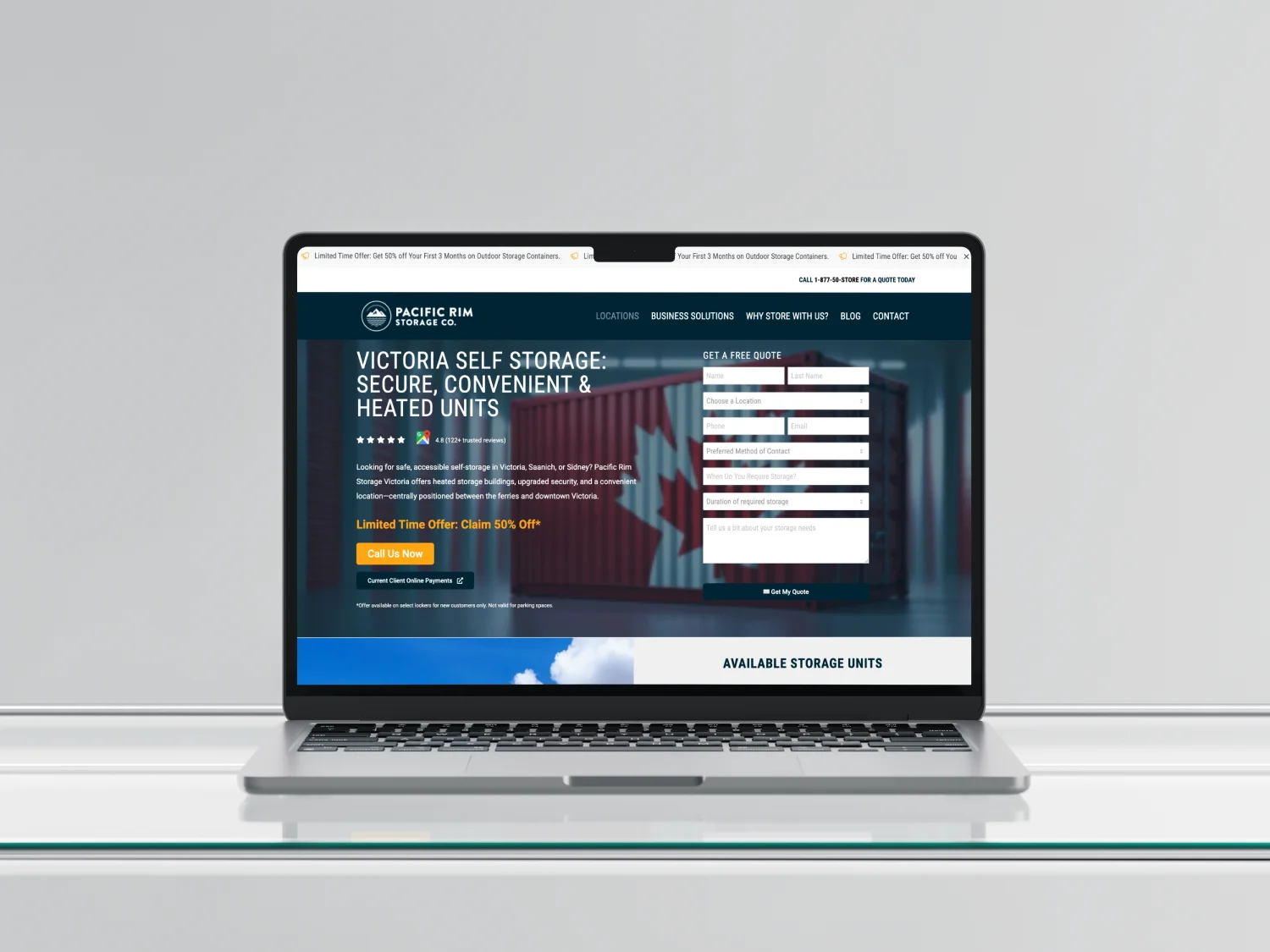
- Crops and layouts fail on mobile or in-location use.
What changes
The approved visual direction is built for its real destinations and handed off as a usable system.
- A practical visual direction tied to the customer path.
- Reusable crop, format, and template families.
- Creative briefs for web, campaigns, social, and locations.
- Clear ownership, source files, and handoff.

A creative and media priority with clear boundaries
The outcome, dependencies, implementation work, and definition of done stay visible throughout the engagement.
Useful outcome
Customers see a consistent visual system that supports the offer and destination.
Dependencies
Approved assets, rights, formats, context, destinations, and reviewers are available.
Implementation
The approved direction, formats, crops, templates, and production brief are created and checked.
Definition of done
Final assets fit their destinations, source ownership is clear, and handoff is documented.
From visual bottleneck to usable system
Creative moves from a real use case to approved, destination-ready files.
Find the bottleneck
Identify the visual bottleneck, audience, destination, and reuse needs.
Stage 1
Creative and media
Define useful
Define the useful direction, required formats, rights, reviewers, and finish line.
Stage 2
Creative and media
Brief to live
Move the approved brief through production, crop and format QA, approval, and handoff.
Stage 3
Creative and media
Questions operators ask
Yes. We first check quality, rights, formats, and whether the material supports the actual customer path.
Only when the use genuinely differs. A strong system should adapt without becoming a pile of unrelated files.
Common work includes imagery direction, campaign and social assets, short-form video direction, production briefs, reusable templates, and location or seasonal creative systems.
They are confirmed separately when they apply.
No. Approved client context and deliverables are not turned into unsupported outcome claims.
The inquiry is reviewed manually, then the next useful step is proposed.
Related services
Choose the adjacent service that supports the same customer path.
Websites and conversion
Clarify the pages, forms, and customer paths that help people understand the offer and make a useful inquiry.
Campaigns and paid media
Connect the offer, audience, creative, landing page, tracking, and follow-up before spend is scaled.
Content and customer communications
Build useful service copy, operator guides, newsletters, and follow-up around real customer questions.
Have a creative system to sort out?
Tell us what is getting in the way, what you have already tried, and what would be useful to fix next.